Dewatering Pumps: Essential Equipment for Efficient Water Removal
Water accumulation can cause serious challenges in industries such as construction, mining, agriculture, and municipal services. Removing excess water quickly and efficiently is crucial to maintaining productivity and safety at work sites. This is where Dewatering Pumps play an important role. These pumps are specifically designed to remove unwanted water from areas where drainage by gravity is not possible. Reliable Dewatering Pumps Manufacturers focus on developing high-performance pumps that can handle large volumes of water in demanding environments.
What Are Dewatering Pumps?
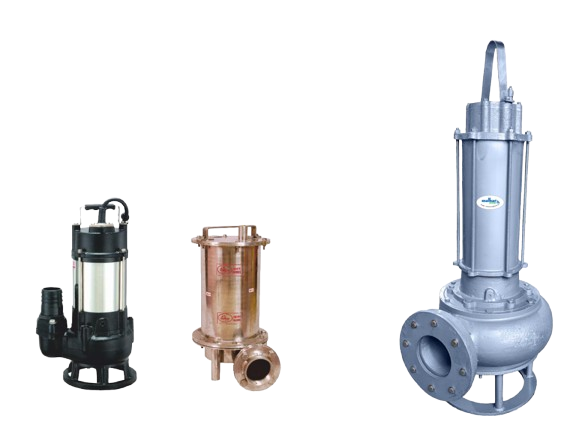
Dewatering Pumps are specialized pumping systems used to remove water from construction sites, mines, flooded areas, and other locations where water accumulation can disrupt operations. These pumps work by drawing water from the surface or underground areas and transferring it to a discharge point through pipes or hoses.
They are widely used in situations where water needs to be removed quickly to prevent damage to structures, equipment, or land. Depending on the requirement, these pumps can handle clean water, muddy water, or water mixed with solids and debris.
Importance of Dewatering Pumps in Different Industries
Dewatering pumps are widely used across various industries because water buildup can significantly affect work efficiency and safety.
Construction Industry:
In construction projects, water often accumulates in foundation pits, basements, or excavated areas due to rainfall or groundwater seepage. Dewatering pumps help keep these areas dry so construction work can continue smoothly without delays.
Mining Industry:
Mining operations often take place below ground level, where groundwater infiltration is common. Dewatering pumps remove excess water from mines to maintain safe working conditions and prevent flooding.
Agriculture:
In agricultural fields, waterlogging can damage crops and soil structure. Dewatering pumps help remove excess water, allowing farmers to protect their crops and maintain proper soil health.
Municipal Applications:
Cities and municipalities use these pumps to remove floodwater from streets, tunnels, and drainage systems during heavy rainfall or emergencies.
Types of Dewatering Pumps
Different applications require different types of pumps. Leading Dewatering Pumps Manufacturers produce a wide variety of pumps to meet diverse industry needs.
Submersible Dewatering Pumps
These pumps operate while fully submerged in water. They are highly efficient and commonly used in construction sites, flooded basements, and underground operations.
Centrifugal Dewatering Pumps
Centrifugal pumps use rotational energy to move water. They are widely used in large-scale operations where high flow rates are required.
Diaphragm Pumps
Diaphragm pumps are designed to handle water containing solids, sludge, or debris. They are often used in mining and industrial applications.
Trash Pumps
Trash pumps are specifically designed to handle water mixed with large solids and debris. These pumps are commonly used in construction and flood control operations.
Key Features of High-Quality Dewatering Pumps
When choosing a dewatering pump, it is important to consider the features that ensure efficiency and durability. Reliable Dewatering Pumps Manufacturers focus on designing pumps with advanced features that improve performance.
High Pumping Capacity
A good dewatering pump should be capable of removing large volumes of water quickly to prevent delays in operations.
Durable Construction
Since these pumps often work in harsh conditions, they are typically made from strong materials such as cast iron or stainless steel to ensure long service life.
Energy Efficiency
Modern pumps are designed to operate efficiently while consuming less energy, helping businesses reduce operational costs.
Easy Maintenance
High-quality pumps are designed for easy maintenance, allowing users to inspect and service them without complicated procedures.
How to Choose the Right Dewatering Pump
Selecting the right pump depends on several factors, including the type of water, pumping capacity, and operating conditions.
First, it is important to determine the amount of water that needs to be removed and the required discharge distance. This helps in choosing a pump with the appropriate flow rate and pressure.
Second, the type of water being pumped should be considered. If the water contains mud, sand, or debris, a pump designed to handle solids should be selected.
Third, durability and reliability are important factors. Choosing pumps from experienced Dewatering Pumps Manufacturers ensures that the equipment will perform efficiently even in demanding conditions.
Finally, maintenance and service availability should also be considered. Pumps that are easy to maintain help reduce downtime and increase productivity.
Advantages of Using Dewatering Pumps
Dewatering pumps provide several advantages across industrial and commercial applications.
They help maintain safe working environments by preventing flooding and water accumulation. By quickly removing unwanted water, these pumps allow projects to continue without interruption.
Another benefit is improved efficiency. Instead of relying on manual methods of water removal, dewatering pumps automate the process and save valuable time and labor.
These pumps also help protect infrastructure and equipment from water damage, reducing repair and replacement costs.
Conclusion
Efficient water management is essential for many industries, especially where water accumulation can affect productivity and safety. Dewatering Pumps are a reliable solution for removing excess water from construction sites, mines, agricultural fields, and municipal areas. Choosing high-quality pumps from trusted Dewatering Pumps Manufacturers ensures better performance, durability, and long-term efficiency.
For businesses looking for dependable pumping solutions, Malhar Pump offers reliable and efficient dewatering pump systems designed to meet modern industrial requirements and deliver consistent performance in challenging environments.
.jpeg)

Comments
Post a Comment